
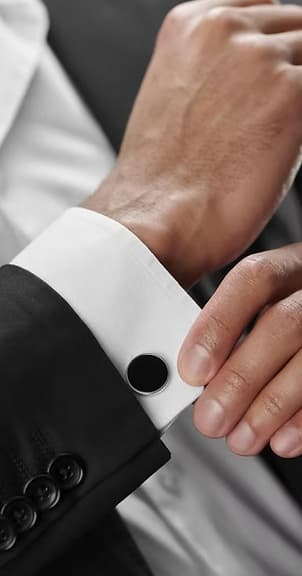
When commissioning a custom dress shirt, every detail matters, from the collar style to the fabric weight to the cuff design. Among the most consequential decisions you’ll make is choosing between French cuffs and barrel cuffs. This choice affects not only how your shirt looks but also how it functions, what accessories you’ll need, and which occasions it’s appropriate for.
While both cuff styles have their merits, understanding their distinct characteristics, history, and appropriate contexts will help you build a wardrobe that serves you perfectly. This comprehensive guide explores everything you need to know about French cuffs versus barrel cuffs, from construction details to styling recommendations.
Understanding the Basics: What Are French Cuffs and Barrel Cuffs In A Custom Shirt ?
Before diving into comparisons, let’s establish clear definitions of these two fundamental cuff styles.
Barrel Cuffs: The Versatile Standard For Custom Shirts
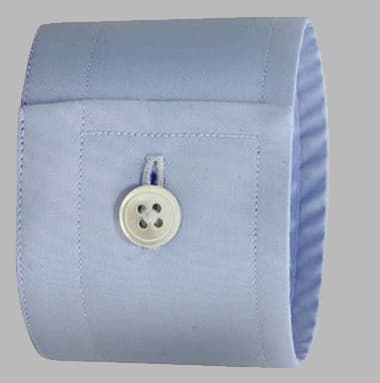
Barrel cuffs, also known as button cuffs, represent the most common cuff style in men’s dress shirts today. The construction is straightforward: the cuff forms a cylindrical “barrel” shape around the wrist, secured with one or two buttons. The cuff maintains the same width throughout its circumference and simply rolls around the wrist to close.
The typical barrel cuff measures approximately 6.35 to 7.62 cm (2.5 to 3 inches) in width when unbuttoned. Most feature horizontal button placement, though some designs use vertical buttons for a slightly different aesthetic. The cuff is typically stiffened with interlining which is a layer of material between the outer fabric and lining, to help it maintain its shape throughout the day.
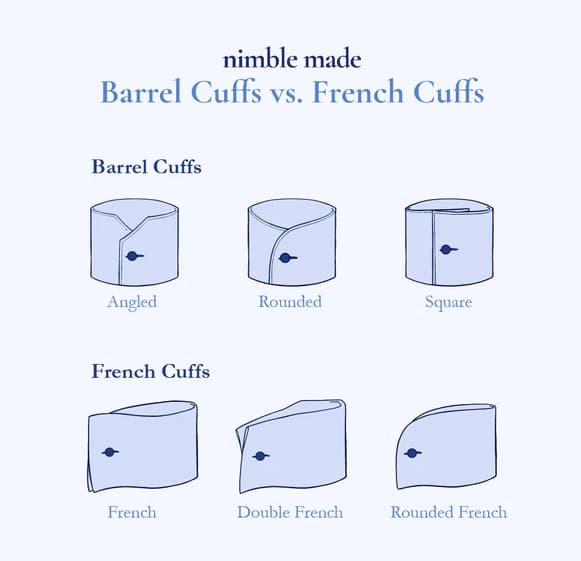
Barrel cuffs come in several corner variations that affect their appearance:
- Sharp angle corners: Create a crisp, angular look that pairs well with formal business attire
- Rounded corners: Soften the overall appearance, suitable for business casual environments
- Mitered corners: Feature a diagonal cut that adds visual interest and a touch of sophistication
French Cuffs: The Elegant Statement For Custom Shirts
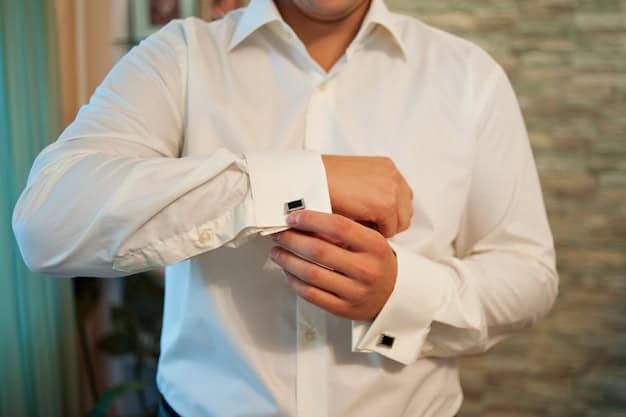
French cuffs, also called double cuffs, represent the more formal option in men’s shirt design. The defining characteristic is the cuff’s length which is approximately twice that of a barrel cuff. Rather than buttoning closed, the French cuff folds back on itself, creating a distinctive double-layered appearance around the wrist.
Because French cuffs have no closure buttons, they require cufflinks to fasten. This requirement transforms the cuff from a purely functional element into an opportunity for personal expression through jewelry. The folded design creates a more substantial, prominent cuff that naturally draws attention.
French cuffs demand stiffer fabric than barrel cuffs to maintain their folded form throughout wear. The construction must support the doubled-over material without collapsing or looking limp. This structural requirement often means French cuff shirts use higher-quality fabrics or additional interlining.
Detailed Comparison: French Cuffs vs Barrel Cuffs
| Feature | Barrel Cuffs | French Cuffs |
| Length | Standard (2.5-3 inches) | Double length (5-6 inches when unfolded) |
| Closure Method | 1-2 buttons | Cufflinks required |
| Formality Level | Business casual to semi-formal | Semi-formal to black tie |
| Versatility | High, appropriate for most settings | Lower, best for formal occasions |
| Accessory Requirements | None | Cufflinks essential |
| Fabric Requirements | Standard interlining | Heavier interlining/stiffer fabric |
| Visibility Under Jacket | Minimal, sits at jacket sleeve | Prominent, extends ½ inch past jacket sleeve |
| Maintenance | Simple, machine washable | Often dry clean preferred |
| Cost | Standard | Slightly higher due to construction |
| Personal Expression | Limited | High, cufflink selection matters |
Construction Differences In A Custom Shirt
The construction of these cuff types reveals their distinct purposes. Barrel cuffs prioritize convenience and versatility. The single-layer construction with button closure makes them easy to fasten and unfasten. They accommodate various wrist sizes through button positioning and can be adjusted slightly for comfort.
French cuffs require more complex construction. The fabric must be substantial enough to hold a crisp fold without collapsing. The absence of buttons means the cuff’s shape depends entirely on the fabric’s body and the wearer’s cufflink choice. This construction demands precision in both pattern-making and fabrication.
Visual Impact On Your Custom Shirt
Barrel cuffs blend into the shirt. They’re expected, appropriate, and unobtrusive. When wearing a jacket, barrel cuffs typically disappear beneath the sleeve, performing their function without drawing attention.
French cuffs make a statement. The folded design creates visual weight at the wrist, and the required cufflinks add sparkle or color depending on your choice. When properly fitted, French cuffs extend approximately half an inch beyond your jacket sleeve, a deliberate design feature that showcases both the cuff and your cufflinks.
The Occasion Guide: When to Wear Each Cuff Style On Your Custom Shirt
Choosing the right custom shirt cuff for the occasion demonstrates sartorial knowledge and respect for dress codes. Here’s your comprehensive guide to cuff selection by event type.
Custom Shirts For Business Professional Environments
Custom Shirts with Barrel Cuffs: The safe, appropriate choice for daily office wear, client meetings, and conservative business settings. Choose mitered or sharp-angle corners in white or light blue fabrics. Single-button cuffs suffice; reserve two-button versions for slightly more formal business occasions.
Custom Shirts with French Cuffs: Acceptable in formal business environments such as law firms, investment banks, and executive-level positions. However, they may appear overly dressy for everyday wear in more casual corporate cultures. If choosing French cuffs for business, select understated cufflinks, simple metal designs rather than novelty or gem-heavy pieces.
Custom Shirts For Business Casual Settings
Custom Shirts with Barrel Cuffs: Ideal for business casual environments. The versatility of barrel cuffs shines here, you can roll up your sleeves if needed, and the cuffs won’t look out of place with chinos or more relaxed trousers. Consider rounded corners for a softer, more approachable appearance.
Custom Shirts with French Cuffs: Generally inappropriate for business casual settings. The formality of French cuffs clashes with the relaxed nature of business casual dress codes. Wearing French cuffs without a jacket (as often happens in business casual environments) looks incomplete and awkward.
Custom Shirts For Semi-Formal Events
Custom Shirts with Barrel Cuffs: Acceptable but not optimal. For cocktail parties, dinner dates, and evening events requiring jackets, barrel cuffs work fine but lack the elevated presence of French cuffs. If barrel cuffs are your choice, ensure they’re pristine and paired with an otherwise impeccable outfit.
Custom Shirts with French Cuffs: The preferred choice for semi-formal occasions. This is where French cuffs truly shine, formal enough to respect the occasion, yet not as rigid as black-tie requirements. Select cufflinks that complement your outfit without overwhelming it.
Custom Shirts For Black Tie and Formal Events
Custom Shirts with Barrel Cuffs: Technically acceptable but generally discouraged. While you won’t be turned away from a black-tie event wearing barrel cuffs, they signal that you’ve opted for convenience over correctness. If you must wear barrel cuffs to a formal event, ensure they’re on a high-quality shirt with exceptional fit.
Custom Shirts with French Cuffs: The correct and expected choice for black tie, white tie, weddings, galas, and formal dinners. A proper tuxedo shirt features French cuffs, it’s non-negotiable in traditional formalwear. Pair with elegant cufflinks, preferably in precious metals or with subtle gemstone accents.
Custom Shirts For Special Occasions
Custom Shirts For Weddings: As a guest, either cuff style works depending on the dress code. For the groom and groomsmen, French cuffs are strongly recommended as they photograph beautifully and honor the significance of the occasion.
Custom Shirts For Job Interviews: Barrel cuffs are the safer choice unless you’re interviewing for a senior executive position in a traditional industry. You want the interviewer focused on your qualifications, not your accessories.
Custom Shirts For First Dates: Barrel cuffs for casual venues; French cuffs for upscale restaurants. When in doubt, choose barrel cuffs since under-dressing slightly is preferable to appearing “try-hard”.
The Custom Shirt Cufflink Selection Guide
Since French cuffs require cufflinks, understanding how to select and wear them properly is essential.
How to Put On French Cuffs with Cufflinks On A Custom Shirt
1. Align the holes: With the shirt on, fold the cuff back so the two buttonholes align perfectly.
2. Insert the cufflink: Pass the cufflink through both layers of fabric, ensuring it goes through all four holes (two on each side of the fold).
3. Secure the closure: Depending on your cufflink style, flip the toggle, snap the closure, or secure the mechanism.
4. Check the fit: The cuff should be snug but not tight, you should be able to insert one finger between the cuff and your wrist.
5. Verify the reveal: When wearing a jacket, approximately half an inch of cuff should extend beyond your jacket sleeve.
Cufflink Styles and When to Wear Them with Your Custom Shirt
Classic Metal Cufflinks For Custom Shirts: Silver, gold, or platinum designs featuring simple geometric patterns or subtle engraving. These are your workhorses, appropriate for business, semi-formal events, and versatile enough for most occasions.
Silk Knot Cufflinks For Custom Shirts: Colorful, casual, and affordable. These woven silk knots work well for business casual environments and add personality without excessive formality. They’re also less likely to damage delicate shirt fabrics.
Gemstone Cufflinks For Custom Shirts: Featuring precious or semi-precious stones, these elevate your formalwear. Reserve them for special occasions such as weddings, galas, anniversary dinners. Ensure the stones complement rather than clash with other accessories.
Novelty Cufflinks For Custom Shirts: Shaped like animals, vehicles, or objects, these express personality but should be worn sparingly. Appropriate for creative industries, holiday parties, or casual social events. Avoid them for serious business or formal occasions.
Chain Link Cufflinks For Custom Shirts: Connected by a short chain rather than a solid bar, these offer more flexibility and a slightly vintage aesthetic. They’re comfortable and less likely to damage shirt fabric, making them excellent for regular wear.
Matching Cufflinks On Custom Shirts to Your Outfit
Coordinate cufflinks with your watch, belt buckle, and wedding ring metal. If you wear a silver watch, choose silver-toned cufflinks. If your belt buckle is gold, echo that warmth in your cufflink selection.
For black-tie events, classic is best: mother-of-pearl, onyx, or simple precious metal designs. Avoid colored stones or novelty shapes that distract from the elegance of your tuxedo.
Fitting Instructions: Getting the Custom Shirt Cuff Right
Proper fit is crucial regardless of which cuff style you choose for your custom shirt. Here’s how to ensure your cuffs perform perfectly.
The Golden Rule of Cuff Fit For Custom Shirts
Whether wearing barrel or French cuffs, the cuff should extend approximately half an inch (1.25 cm) past your jacket sleeve when your arms are at your sides. This reveal is deliberate, it shows that you’re wearing a proper dress shirt beneath your jacket and provides a glimpse of your cufflinks if wearing French cuffs.
Measuring for Custom Shirt Cuffs
When ordering a custom shirt, accurate measurements ensure perfect cuff fit:
Wrist Circumference For Custom Shirt: Measure around the bony prominence of your wrist where the cuff will sit. Add 3.8 to 5 cm (1.5 to 2 inches) to this measurement for the finished cuff size, this provides enough room for comfort without excess fabric.
Cuff Height Preference For Custom Shirt: Standard barrel cuffs are 6.4–7.6 cm (2.5–3 inches) tall. French cuffs, when folded, should match this height. Some clients prefer slightly taller cuffs 7.6–8.9 cm (3–3.5 inches) for a more substantial look.
Sleeve Length For Custom Shirt: Critical for proper cuff reveal. Your shirt sleeve should be long enough that the cuff sits at the base of your thumb when your arm is extended, yet short enough that 1.3 cm (½ inch) shows past your jacket sleeve when standing normally.
Common Fitting Problems and Solutions
Cuffs Too Tight: If you can’t insert a finger between the cuff and your wrist, they’re too tight. This restricts movement and can damage the shirt. For custom shirts, increase the wrist measurement by 0.6 to 1.3 cm (¼ to ½ inch).
Cuffs Too Loose: Cuffs that slide up and down your arm look sloppy and fail to provide the proper reveal under a jacket. The cuff should stay in place when you move your arms.
Uneven Reveal: If one cuff shows more than the other under your jacket, your sleeve lengths may be uneven or your shoulders may be asymmetrical. A skilled tailor can adjust for this.
French Cuffs Won’t Stay Folded: This indicates insufficient fabric stiffness or improper interlining. Quality custom shirts use appropriate interfacing to ensure French cuffs maintain their structure throughout the day.
Beyond the Basics: Other Cuff Styles For Custom Shirts Worth Knowing
While French and barrel cuffs dominate men’s shirting, several other styles deserve mention for the complete gentleman.
Cocktail Cuffs (Turnback Cuffs) For Custom Shirts
Popularized by Sean Connery’s James Bond, cocktail cuffs feature a turned-back design that fastens with buttons. They offer some of the visual interest of French cuffs without requiring cufflinks. This style works well for those who want something distinctive yet practical.
Single Link Cuffs For Custom Shirts
A hybrid style featuring a single chain or link connecting two separate cuff pieces. Less common today, they offer a vintage aesthetic that pairs well with classic tailoring. They require the same cufflinks as French cuffs but create a slightly different silhouette.
Convertible Cuffs For Custom Shirts
Designed with both buttonholes and French cuff folds, these versatile cuffs can be worn either way. While convenient for travel, they often compromise on the clean appearance of dedicated designs. They’re best viewed as a practical option rather than an optimal one.
Building Your Custom Shirt Wardrobe: Recommendations
For a well-rounded shirt collection, we recommend the following distribution of cuff styles:
Foundation (60% of shirts): Barrel cuffs in white and light blue. These form the backbone of your professional wardrobe. Choose sharp or mitered corners for versatility.
Elevation (30% of shirts): French cuffs in white, cream, and subtle patterns. Reserve these for important meetings, evening events, and formal occasions. Ensure you have at least one pristine white French cuff shirt for black-tie events.
Character (10% of shirts): Specialty cuffs, perhaps cocktail cuffs or distinctive barrel cuff variations in unique fabrics. These express personality and demonstrate sartorial knowledge.
Frequently Asked Questions
Q1: Can I wear French cuffs on my shirt without a jacket?
While physically possible, wearing French cuffs without a jacket is generally discouraged. The exposed folded cuff and cufflinks look incomplete without the framing of a jacket sleeve. If you must remove your jacket, consider rolling your sleeves or changing shirts.
Q2: Are shirts with French cuffs too formal for everyday office wear?
This depends on your industry and position. In conservative fields like law and finance, French cuffs are appropriate for senior professionals. In creative or casual industries, daily French cuffs may appear overly formal. When in doubt, observe what your superiors wear.
Q3: How many cufflinks should I own for my custom shirts?
Start with two quality pairs: one classic metal design for business and one more distinctive pair for special occasions. Build your collection gradually, adding pieces that complement specific shirts or suits in your wardrobe.
Q4: Can I convert a barrel cuff shirt to French cuffs?
Technically possible but not recommended. The conversion requires significant fabric addition and reconstruction. The result rarely matches the quality of a purpose-built French cuff shirt. Invest in proper French cuff shirts instead.
Q5: What’s the difference between French cuffs and double cuffs?
Nothing, they’re the same thing. “French cuff” is the American terminology, while “double cuff” is more common in British English. Both refer to the folded cuff design requiring cufflinks.
Q6: Should my cufflinks match my watch?
Ideally, yes. Coordinate the metal tones for a cohesive look. If you wear a silver watch, choose silver or platinum cufflinks. If your watch is gold-toned, select gold cufflinks. This attention to detail elevates your overall appearance.
Q7: Are silk knot cufflinks on a custom shirt appropriate for formal events?
Silk knot cufflinks are best reserved for business casual or creative professional environments. For formal events, choose metal cufflinks with appropriate weight and finish. Silk knots lack the gravitas expected at black-tie occasions.
Q8: How do I care for custom shirts with French cuffs?
French cuff shirts often benefit from professional cleaning due to their construction and the delicacy of cufflink holes. If washing at home, fasten cufflinks loosely or use the buttonholes to prevent damage. Always iron French cuffs while flat, not folded, to maintain their shape.
Q9: Can women wear custom shirts with French cuffs?
Absolutely. French cuffs appear in women’s professional and formalwear, following the same principles of occasion-appropriateness. Women’s French cuff shirts may feature slightly scaled-down proportions but follow identical construction principles.
Q10: What’s the most versatile cuff style on a custom shirt for a beginner?
Start with barrel cuffs, specifically mitered or sharp-angle corner varieties in white and light blue. Master the fit and care of these before expanding to French cuffs. Once comfortable, add French cuff shirts for formal occasions.
Conclusion: Making Your Choice
The choice between French cuffs and barrel cuffs ultimately depends on your lifestyle, professional requirements, and personal style preferences. Barrel cuffs offer unmatched versatility and convenience for daily wear, while French cuffs provide elegance and distinction for formal occasions.
Neither choice is wrong, both have their place in a well-considered wardrobe. The key is understanding when each style shines and selecting accordingly. A wardrobe built entirely of French cuffs limits your practical options, while one lacking French cuffs leaves you unprepared for formal occasions.
At Jesse & Son Tailor, we craft custom shirts that honor your preferences while ensuring perfect fit and construction. Recognized by many as the best bespoke tailor in Bangkok, our approach combines precision, craftsmanship, and attention to detail, whether you choose the versatile barrel cuff or the distinguished French cuff.
If you’re looking to elevate your wardrobe with garments designed specifically for you, a custom approach makes all the difference. With the right guidance, every detail, from fabric to cuff style, comes together to create shirts that feel refined, functional, and uniquely yours.