
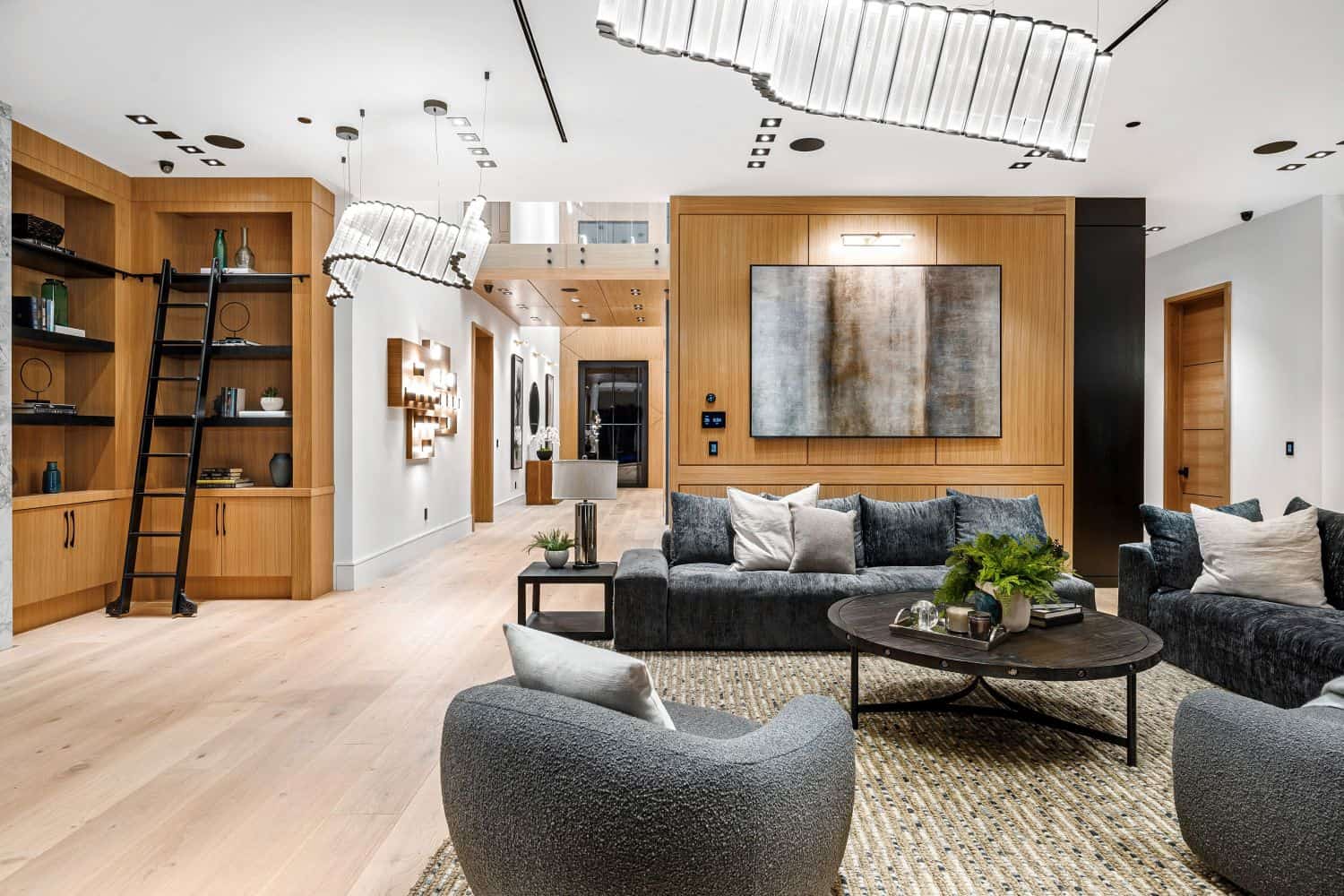
Practical Cost Awareness for First-Time Interior Design Projects in Hua Hin
Planning an interior design project in Hua Hin can feel overwhelming for first-time homeowners or those working within tight budgets. Costs often extend beyond surface-level decoration, involving design planning, materials, labor, and coordination. Understanding how expenses typically unfold rather than focusing solely on price lists helps clients make informed decisions when evaluating the role of an interior design company hua hin in residential or small commercial projects.
Instead of approaching design purely as a purchasing decision, budget-conscious projects benefit from viewing interior work as a series of trade-offs between quality, longevity, and flexibility.
Understanding Where Interior Design Costs Really Come From
Interior design expenses rarely come from a single source. While design fees are visible upfront, many costs emerge later during execution. Concept development, space planning, and technical drawings require time and expertise, particularly when layouts must adapt to climate, structure, or existing conditions.
Material and furnishing choices often account for the largest portion of a budget. The difference between cost-efficient and expensive outcomes frequently lies not in aesthetics, but in material behavior over time. Experienced teams familiar with interior design company hua hin projects often prioritize materials that balance appearance with durability, especially in humid coastal environments.
Material Decisions That Shape Long-Term Value
Selecting materials based solely on initial price can lead to higher expenses later. In Hua Hin, finishes must withstand moisture, sunlight, and frequent cleaning. Engineered surfaces, treated wood products, and quality laminates often perform better long-term than cheaper natural alternatives that degrade quickly.
Rather than focusing on premium labels, value-oriented projects assess:
- How materials age under local conditions
- Replacement and maintenance cycles
- Compatibility between finishes and daily use
This perspective allows budgets to be allocated where they matter most.
Strategic Approaches for Limited Budgets
For beginners, professional interior design does not always require full-scale services. Many projects succeed by limiting scope and sequencing decisions carefully.
Common budget-aware strategies include:
- Concentrating design effort on high-impact areas such as living spaces or service counters
- Reusing existing furniture and upgrading selectively
- Dividing implementation into phases to maintain cash flow
- Clarifying design priorities before committing to finishes
These approaches reduce financial pressure while preserving design intent.
Labor and Coordination as Hidden Cost Factors
Labor costs and coordination are often underestimated by first-time clients. Installation quality, scheduling efficiency, and communication between trades directly affect both timeline and budget. Poor coordination frequently results in rework, delays, and material waste.
Working with an interior design company hua hin is less about outsourcing decisions and more about managing complexity. When coordination is handled efficiently, overall costs tend to stabilize despite higher upfront planning effort.
Choosing Service Scope with Cost Awareness
Interior design services vary widely in structure. Some projects require comprehensive planning, while others benefit from consultation-based input. Understanding which level of involvement suits a project prevents unnecessary spending.
Rather than comparing service packages, cost-aware clients evaluate:
- Which decisions truly require professional input
- Where flexibility can be preserved
- How much control they want over execution timing
This mindset shifts focus from hiring decisions to outcome-driven planning.
Long-Term Value Beyond Initial Cost
Although design expenses can appear significant, well-planned interiors often reduce long-term maintenance, improve comfort, and support property value. Spaces designed with adaptability in mind remain relevant longer and require fewer updates as needs change.
Projects informed by experience in interior design company hua hin contexts often emphasize resilience over trend adoption, ensuring that budget decisions continue to deliver value years after completion.
A Measured Perspective on Budget-Conscious Interior Design
Successful interior design in Hua Hin is rarely about minimizing cost—it is about understanding where cost matters and where it does not. First-time clients who approach projects with cost awareness, realistic expectations, and structured decision-making tend to achieve outcomes that feel intentional rather than constrained.
By viewing interior design as a process of prioritization rather than a fixed expense, budget-limited projects can still achieve clarity, comfort, and long-term usability. Insights drawn from interior design company hua hin experiences consistently show that informed planning not aggressive spending is the foundation of sustainable design outcomes.