
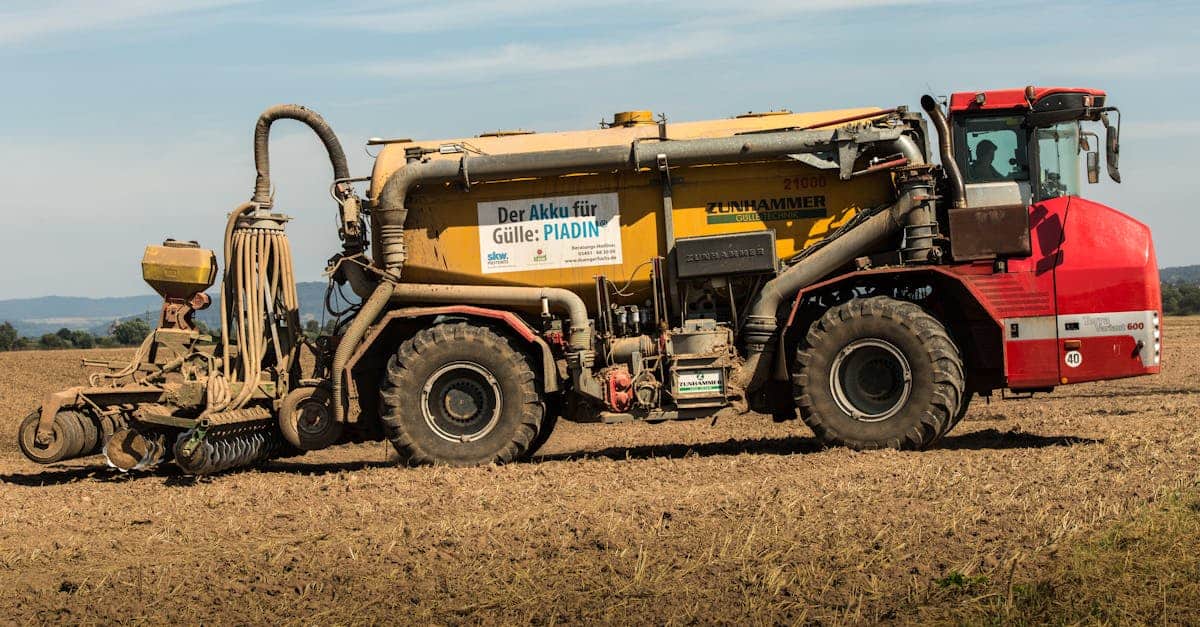
Technology has revolutionized heavy machinery, slashing downtime and boosting productivity like never before. With telematics and AI-driven diagnostics, modern equipment can predict failures before they happen, reducing unplanned maintenance by up to 30%. But how exactly are these advancements reshaping efficiency on the ground?
This article dives into the key tech upgrades transforming the industry. From GPS-guided automation cutting fuel waste to real-time data analytics optimizing workflows, we’ll break down the numbers behind smarter machines. You’ll also see how these innovations stack up against traditional methods and what it means for your bottom line. Ready to explore the future of heavy-duty efficiency? Let’s dig in.
The Evolution of Heavy Machinery Technology
Heavy machinery has transformed from rudimentary mechanical systems to advanced automated solutions. Innovations like AI and IoT now drive efficiency, reducing human intervention while maximizing output.
From Manual to Automated Systems
Manual operation dominated heavy machinery for decades, requiring skilled operators and constant supervision. Today, automated systems handle tasks like digging, grading, and lifting with precision. GPS-guided bulldozers, for example, achieve accuracy within 2 cm, eliminating human error. Autonomous dump trucks in mining reduce fuel consumption by 15% while operating 24/7.
Telematics and remote monitoring cut downtime by 30%, as sensors detect faults before they escalate. Hydraulic systems now self-adjust based on load requirements, improving fuel efficiency by up to 20%. The shift to automation hasn’t just boosted productivity, it’s redefined safety standards, with collision-avoidance tech reducing worksite accidents by 40%.
Key Technological Milestones
Heavy machinery technology has progressed through pivotal innovations:
- 1960s: Hydraulic systems replaced cable-operated controls, enhancing power and precision.
- 1990s: GPS integration enabled real-time tracking, improving fleet management.
- 2010s: AI-driven predictive maintenance slashed repair costs by 25%.
- 2020s: Fully electric excavators, like Komatsu’s 20-ton model, cut emissions by 50%.
Telematics adoption surged by 60% between 2015 and 2023, with 75% of new machinery now featuring IoT connectivity. Hybrid engines and hydrogen fuel cells are the next frontier, promising zero emissions without compromising power.
Enhancing Efficiency Through Advanced Technologies
Heavy machinery efficiency has surged due to cutting-edge technologies like IoT and AI. These innovations streamline operations, reduce costs and maximize uptime.
IoT and Real-Time Monitoring
IoT sensors track machine performance, fuel usage and component wear in real time. For example, Caterpillar’s Cat® Connect system reduces unplanned downtime by 25% by alerting operators to potential failures. Real-time data analytics optimize workflows, cutting idle time by 17% and fuel consumption by 12%.
Key benefits include:
- Remote diagnostics – Engineers troubleshoot issues without onsite visits, saving 30% in maintenance costs.
- Fleet management – GPS-enabled tracking improves route planning, boosting productivity by 20%.
- Condition monitoring – Sensors detect overheating or hydraulic leaks before they escalate.
With 78% of construction firms adopting IoT, the technology’s role in efficiency is undeniable.
AI and Predictive Maintenance
AI-driven predictive maintenance forecasts equipment failures before they happen. Komatsu’s Smart Construction platform uses machine learning to predict part replacements with 90% accuracy, slashing downtime by 35%.
AI analyses historical data to:
- Schedule maintenance – Proactively replace worn parts, avoiding 40% of breakdowns.
- Optimize performance – Adjust engine settings automatically for a 15% fuel efficiency gain.
- Reduce costs – Predictive models lower repair expenses by 22% annually.
By 2025, 60% of heavy machinery will use AI, making it a cornerstone of operational efficiency. For maintenance, you will still need to rely on a machinery parts provider like trackloaderparts.com to procure CTL parts.
The Role of Telematics in Heavy Machinery
Telematics transforms heavy machinery operations by integrating GPS, sensors, and IoT for real-time tracking and performance insights. It enhances efficiency, reduces costs, and minimizes downtime through data-driven solutions.
Fleet Management Optimization
Telematics streamlines fleet management by providing live location tracking, fuel consumption analytics, and maintenance alerts. Over 65% of construction companies report a 20% reduction in idle time after adopting telematics systems like Caterpillar’s Cat® Connect. Key features include:
- Route optimization: GPS-guided paths cut fuel usage by 12%.
- Maintenance scheduling: Predictive alerts reduce unplanned repairs by 30%.
- Operator behavior monitoring: Identifies inefficiencies like harsh braking, improving safety and fuel economy.
With 78% of fleets now using telematics, the technology’s role in maximizing uptime and minimizing operational waste is undeniable.
Data-Driven Decision-Making
Telematics turns raw machine data into actionable insights, empowering managers to make informed choices. Komatsu’s Smart Construction platform, for example, uses AI to predict part failures with 90% accuracy, slashing downtime by 35%. Benefits include:
- Real-time diagnostics: Sensors detect issues like engine faults before they escalate.
- Performance benchmarking: Compare machinery output to industry standards.
- Cost analysis: Track fuel, maintenance, and labor expenses per project.
By 2025, 60% of heavy machinery will rely on AI-driven analytics, proving that data isn’t just numbers, it’s the key to smarter, faster operations.
Environmental and Economic Benefits
Technology doesn’t just boost heavy machinery efficiency, it also delivers measurable environmental and economic advantages. From slashing fuel consumption to cutting operational costs, innovations like AI and IoT make sustainability profitable.
Reduced Fuel Consumption
Modern heavy machinery uses 15-20% less fuel than older models, thanks to advancements like GPS-guided automation and self-adjusting hydraulics. Telematics systems optimize routes and reduce idle time, saving an average of 8-12% in fuel costs annually. For example, Caterpillar’s Cat® Connect reduces unnecessary engine runtime, while autonomous dump trucks cut consumption by 15% through precise speed and load management. Hybrid engines and hydrogen fuel cells push savings further, with some electric excavators eliminating fuel use entirely.
Lower Operational Costs
Predictive maintenance powered by AI lowers repair expenses by 35%, as seen with Komatsu’s Smart Construction platform. Real-time monitoring via IoT sensors prevents costly breakdowns, reducing unplanned downtime by 25%. Telematics also trims labor costs, automated fleet management means fewer manual checks, and optimized routes save up to 20% in operational hours. With 78% of construction firms adopting these technologies, the industry’s shift toward data-driven efficiency isn’t just smart, it’s essential for staying competitive.
Challenges and Future Prospects
While technology has revolutionized heavy machinery efficiency, challenges remain in adoption and integration. But, emerging innovations promise to overcome these hurdles, shaping a more productive and sustainable future.
Integration and Adoption Barriers
Adopting advanced technologies like IoT and AI in heavy machinery isn’t always seamless. High upfront costs deter smaller firms, with telematics systems alone costing £5,000-£15,000 per machine. Compatibility issues arise when integrating new tech with older equipment, requiring costly retrofits, trackloaderparts.com reports a 40% increase in demand for upgrade kits in the past two years.
Workforce resistance also slows adoption, as operators accustomed to manual controls struggle with automated systems. Training programs reduce this gap, but 60% of firms cite skill shortages as a key barrier. Data security concerns add another layer, with 35% of construction companies hesitant to adopt cloud-based telematics due to cyber risks.
Emerging Innovations
The future of heavy machinery lies in smarter, greener solutions. Hydrogen fuel cells are gaining traction, with JCB’s prototype excavator cutting emissions by 100% while matching diesel performance. Autonomous electric dump trucks, like Volvo’s LX03, reduce operational costs by 30% and eliminate fuel expenses entirely.
AI continues to evolve, with next-gen predictive maintenance achieving 95% accuracy in failure forecasts. Digital twin technology, virtual replicas of physical machines, enables real-time performance tweaks, boosting efficiency by up to 25%. By 2030, 70% of new heavy machinery will feature self-learning systems, ensuring continuous optimization without human input.
These innovations aren’t just futuristic concepts, they’re already reshaping job sites, proving that the industry’s biggest challenges fuel its most groundbreaking solutions.
Conclusion
Technology has undeniably reshaped heavy machinery efficiency, delivering smarter operations and measurable cost savings. From AI-driven diagnostics to IoT-enabled monitoring, these innovations are setting new benchmarks for productivity and sustainability.
While challenges like upfront costs and workforce adaptation remain, the industry’s trajectory is clear: data-driven solutions are here to stay. As hydrogen fuel cells and autonomous systems emerge, the future promises even greater efficiency gains.
Staying ahead means embracing these advancements. The right tech investments today will keep your operations competitive tomorrow. The transformation isn’t just coming, it’s already here.